Garden Clearance in Harlesden

Garden clearance in Harlesden should feel straightforward, practical and properly organised. We remove outdoor waste, overgrown growth, unwanted garden items and mixed materials that have built up over time, then help leave the space ready for its next stage. Whether the job is a tired back yard, a shared outdoor area or a larger domestic garden, the focus is on clearing what needs to go and separating what can be reused, recycled or disposed of responsibly.
Our service covers routine tidy-ups as well as heavier clearances where brambles, branches, broken sheds, old planters, fencing offcuts or bagged waste need attention. In many cases the work is best approached in sections, especially when access is tight or materials are mixed. We can handle this as a single organised clearance or as part of a broader waste removal job where different garden and outdoor items need collecting together.
For a quotation, start by deciding what should stay and what should be taken away. If you already know the rough volume, that helps us match the work to the right approach. If not, a brief description is usually enough to begin. You can also group together similar items so the scope is easier to set out, then ask us to price the collection clearly before anything is booked in.
Garden waste collection and outdoor rubbish removal
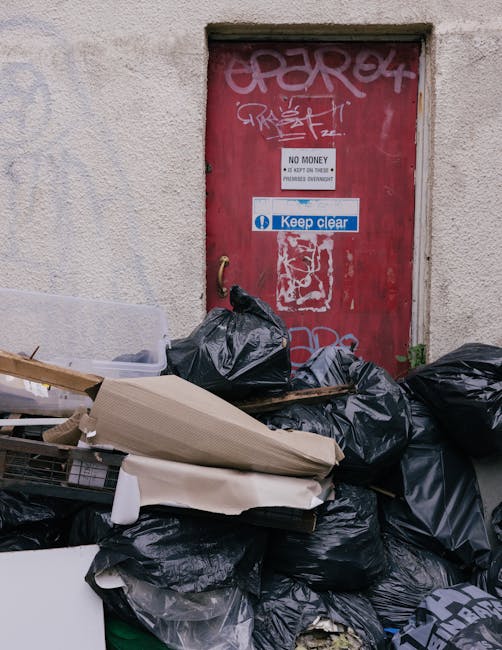
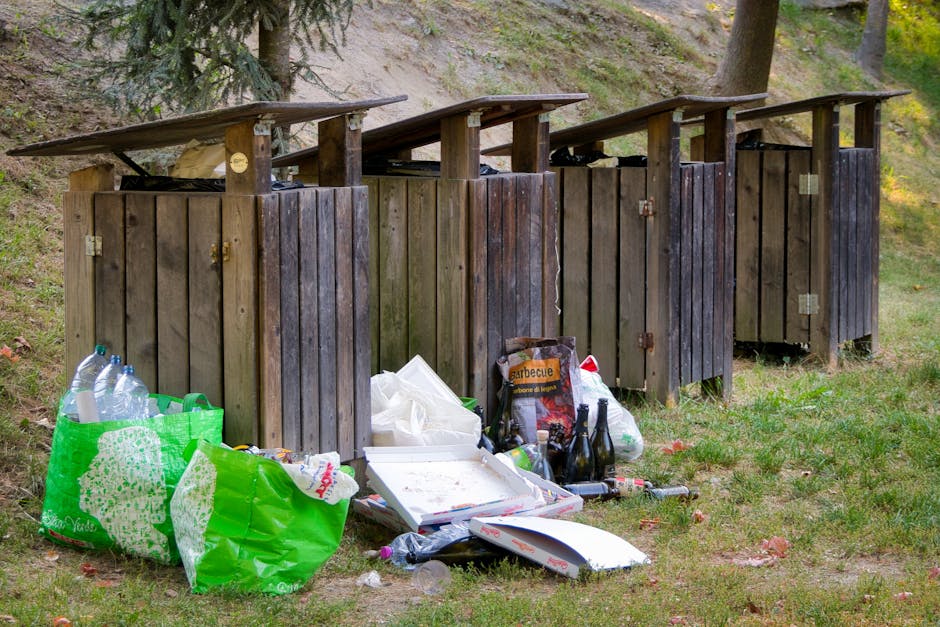
Garden clearance often involves more than green waste alone. Soil-filled pots, broken trellis, plastic edging, old compost bags, weathered furniture and general outdoor rubbish may all be present in the same space. A careful clearance separates materials so that bulky items are managed properly and recyclable garden waste is not mixed unnecessarily with general rubbish. This keeps the job efficient and makes the disposal route more appropriate to the material type.
Where growth has spread across paths, borders or storage areas, the work may also include cutting back access routes before the main clearance begins. That can make it easier to reach hidden waste, old tools or items left behind behind sheds and fences. If you are comparing options, think about whether you need a simple remove-and-go service or a fuller clearance that addresses the surrounding buildup as well. Our garden clearance service is designed for outdoor spaces that need more than a quick tidy.
What is typically included
The exact job will depend on what is on site, but common tasks include collecting loose cuttings, bagged waste, branches, plants, roots, old containers and disused garden materials. We can also remove items such as cracked plant pots, damaged ornaments and other outdoor clutter when they form part of the same clearance. Where necessary, materials are sorted so that reusable or recyclable components are handled separately from general waste.
Overgrown gardens, bramble reduction and heavy clearing

Some gardens need a clearance because they have become overgrown, partly neglected or difficult to use. In those cases the work may involve removing thick brambles, invasive growth, self-seeded plants and accumulated debris from beds, borders and boundary lines. The aim is not cosmetic trimming alone, but a practical reduction of the material that is preventing the space from being used or maintained properly.
Heavier clearances can also uncover buried waste, rotten timber, broken garden structures and compacted items that have been hidden under vegetation. Those jobs often take more planning because the work sequence matters: access may need to be opened first, then waste gathered, then bulkier pieces loaded separately. If you need help with a larger outdoor reset, a general waste removal service can complement the garden work when there are mixed materials to take away.
Good preparation helps, but it does not need to be complicated. If possible, separate anything you already know you want to keep, unlock side access where available and identify any fragile features that should be avoided. A short note about steep steps, narrow gates or soft ground is also useful, because it can affect how the clearance is planned and what tools are brought along.
Garden sheds, outdoor storage and broken structures
Garden clearance often extends beyond plants and loose waste when sheds, storage boxes or small outdoor structures have reached the end of their useful life. Rotting timber, warped doors, damaged shelving and scattered contents can make these areas difficult to empty safely. We can clear the loose material first, then remove the unwanted structure or components where the job calls for it, provided the scope is agreed in advance.
When structures are being emptied, the contents matter just as much as the frame. Old tools, packaging, worn hoses, cracked pots and household items stored outside may all come out together. That is why a measured approach is useful: it reduces missed items and avoids overloading the main area with mixed waste. If the job includes a wider property clear-out as well, our home clearance page may be relevant for understanding how indoor and outdoor work can be combined.
- Emptying sheds, lean-tos and storage corners
- Collecting broken timber, panels and shelving
- Removing mixed outdoor clutter and bagged waste
- Separating reusable items where practical
Fence panels, timber offcuts and hard garden materials

Some garden jobs contain harder, more awkward waste such as fence panels, posts, timber offcuts, paving pieces or disassembled frames. These materials tend to be heavier and may need more careful handling than light green waste. A sensible clearance plan takes account of weight, shape and stacking order so that the collection is safe and the right disposal route is used for each type of material.
Hard landscaping leftovers can also include rubble, clipped sections of edging or other non-organic debris left after repair or replacement work. These items often sit alongside soil, roots and cuttings, so the clearance is most efficient when the whole mix is assessed together. For customers who are also dealing with renovation debris outside, our builders waste clearance page covers the sort of mixed, heavier waste that sometimes appears around outdoor works.
It is often useful to identify the bulkiest pieces first. That helps when there are limited access points or when some items must be moved before others can be reached. If you are unsure whether certain materials should be treated as green waste, wood, rubble or general rubbish, just describe them as accurately as you can. A quotation can then reflect the likely handling needed rather than relying on guesswork.
Garden clearance for homes, landlords and shared properties
Different property types call for different levels of planning. A private back garden may need a one-off reset before maintenance begins, while a rented property might require the outside area to be cleared between occupiers or before viewings. Shared spaces can involve more coordination if access must be kept clear and larger items need to be removed without disturbing neighbouring areas. In each case, the service is about clearing the agreed waste with minimum fuss.
Where access is limited, the order of work is important. Items may need to be passed through side gates, carried from rear entries or loaded from a front boundary if that is the only practical option. This is why a short summary of gate widths, parking constraints or awkward corners can be helpful when requesting a price. If the clearance forms part of a larger property project, house clearance may also be worth reviewing for broader scope and planning.
We aim to keep the process practical for people who need the outdoor space returned to usable condition rather than polished to a show-garden finish. The work can be tailored to a tidy-up, a full strip-out or something in between, depending on how much material is present and what the customer wants to keep. That flexibility is useful when an outdoor area has been used for storage as well as planting.
Pricing factors and how quotations are set
Garden clearance prices are usually influenced by the amount of waste, the type of materials, the level of access and how much sorting is needed on site. Green waste is typically handled differently from furniture, timber or mixed rubbish, so a mixed load may take more time to process than a simple load of cuttings. The more clearly the contents are described, the easier it is to provide a quotation that reflects the actual job.
It also helps to mention whether the waste is already bagged, whether it is spread across the garden, and whether anything particularly bulky needs to be dismantled before removal. Pricing and quotes gives a useful indication of how enquiries are assessed, especially when the work involves several different item types rather than one simple pile. The aim is to keep the estimate understandable and matched to the scale of the clearance.
Useful details to include are the approximate size of the pile, the nature of the waste, and any obstacles that could affect loading. You do not need to write a long brief. A few accurate lines are often enough to establish the likely effort involved. If you prefer, you can ask for the scope to be reviewed before deciding whether the job should be handled as a small clearance or a fuller outdoor tidy.
Recycling, reuse and responsible disposal

Garden waste does not all belong in the same category, so a careful service should separate what can be recycled or reused from what needs disposal. Soil, plants, branches, timber and mixed outdoor materials may follow different routes depending on their condition and composition. Responsible handling is important because it reduces unnecessary landfill use and makes the clearance more orderly from the outset.
Where suitable, reusable items such as intact pots, tools or furniture may be kept apart from broken waste so that they can be assessed properly. The same applies to garden materials that are clean enough to be treated separately from contaminated rubbish. For customers who want to understand this side of the service in more detail, recycling and sustainability explains the principles behind sorting and disposal choices.
Not every outdoor item can be recovered, but a structured clearance gives each material the best chance of ending up in the right stream. That is especially helpful on jobs involving mixed sheds, old planting equipment, rotted wood and general debris together. It also means the garden is cleared in a way that is less likely to create a second mess once the work is finished.
How to prepare a garden clearance enquiry
The easiest enquiries give a clear picture of what needs removing, how accessible the area is and whether any items are to remain in place. Photos can help, but a concise written description is equally useful if the job is straightforward. If there are several separate spaces involved, list them in order so the likely route through the property is easier to understand. That keeps the estimate focused on the actual clearance rather than on assumptions.
It is also sensible to mention any items that may need special care, such as containers holding sharp debris, fragile ornaments or sections that are attached to walls or fencing. If you are considering a wider set of services, office clearance is available for customers whose enquiry includes commercial premises as well as domestic outdoor areas, though the details should always match the actual work required.
When a clearer brief helps
Quotations are easier to shape when the request distinguishes between loose waste, fixed structures and mixed material. If you know which items you definitely want removed, and which you may decide on later, say so at the outset. That allows the clearance to be priced against the agreed scope rather than a guess. Clear scope notes help both sides avoid unnecessary revisions and make the next step simpler.
More ways we support outdoor clearance work
Some customers only need one section of a property cleared, while others need a combination of outdoor and storage spaces handled together. The wider waste collection service can therefore be useful when the garden is not the only area holding unwanted items. From bulky domestic waste to leftover materials after a small project, the task is to organise the collection so that each type of item is dealt with appropriately rather than all being treated the same way.
If the outdoor area is linked to a garage or outbuilding, there may be more than one kind of material to remove in a single visit. That can include garden tools, old bags, damaged fixtures and packed-away household items. In those cases, it is often worth reviewing garage clearance because the storage area may be part of the same wider tidy-up. The important thing is that the quoted scope matches what is actually there.
Garden clearances also vary in size and shape. A simple removal of cuttings is very different from a full reset involving hard materials, structure removal and leftover rubbish. By understanding the difference at the start, we can keep the service practical and avoid overcomplicating what should be a clear, well-managed job.
About Harlesden

Harlesden is an area in northwest London within the London Borough of Brent, long associated with a busy crossroads of residential streets, transport links and varied local commerce. The district grew significantly during the late nineteenth and early twentieth centuries as London expanded west and northwest, and many of its streets reflect that period of growth through terraces, small front gardens and mixed commercial frontages. The area sits close to major routes and rail connections, including Harlesden station and nearby Overground services, which have helped make it a well-connected part of the city rather than a self-contained enclave. It is also known for sitting near larger features such as Wormwood Scrubs to the south-west and for being within reach of north-west London districts that have historically shared labour, trade and housing patterns. Church Road and the surrounding streets form a recognisable local centre, while the wider area includes rows of housing, shops and community spaces that give Harlesden a layered urban character. The name itself has older origins, and the settlement appears in historical records well before the modern London borough structure existed. Over time, the area has developed a reputation for everyday local activity rather than landmark tourism, yet it still contains the ordinary architectural mix that defines many long-established London neighbourhoods: brick terraces, interwar housing, later infill and commercial units adapted over time. That combination gives Harlesden a distinctive street pattern and a strong sense of continuity across different periods of development.